Looking at art · 6 min read
How to Look Closely at a Portrait
A practical guide to expression, gesture, framing, and the small decisions that give a painted figure its presence.
Read the guide ↗An archive of art & imagination
Portraits, nature, and imagined stories. Discover the paintings and illustrations of Olga Galindo.
An evolving perspective on a historical collection.
Monterrey, Mexico · Houston, Texas, in the original archive.
01 / A closer look
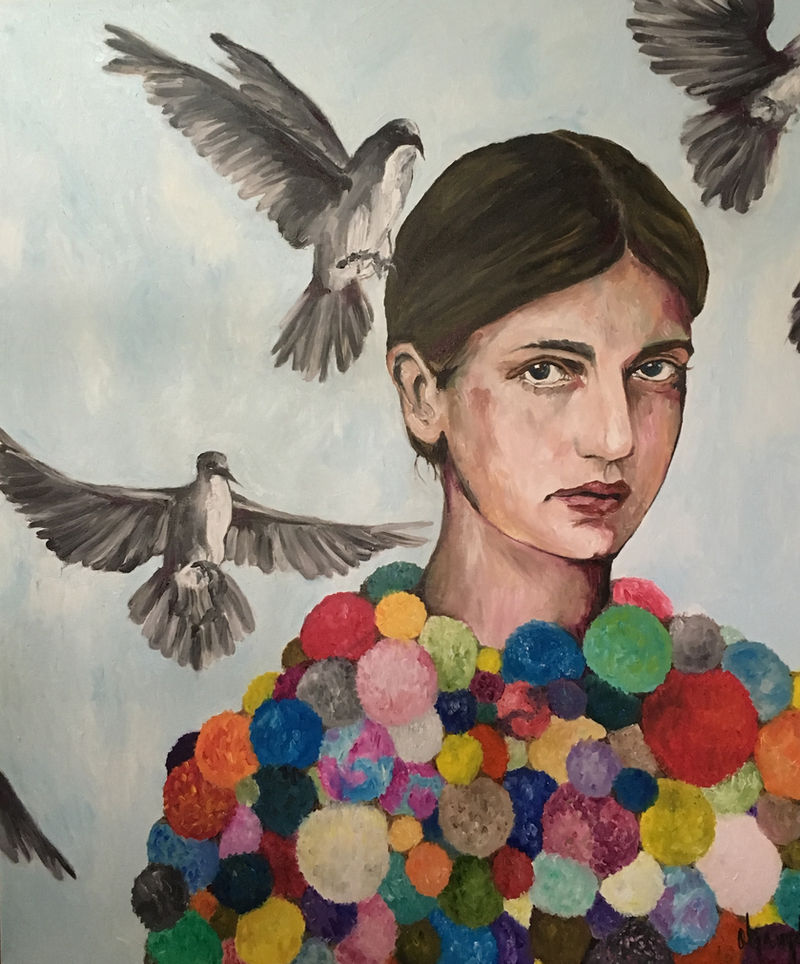
A face, a bird, a small interruption in a familiar scene. These works invite a slower kind of looking, where the human figure shares its space with flowers, animals, and unexpected details. Begin with three paintings and drawings from the original archive, then follow the connections through the wider portfolio. Open an image to see it more closely.

oil on canvas

Oil on canvas

ink and watercolor on canvas Sold (historical caption)
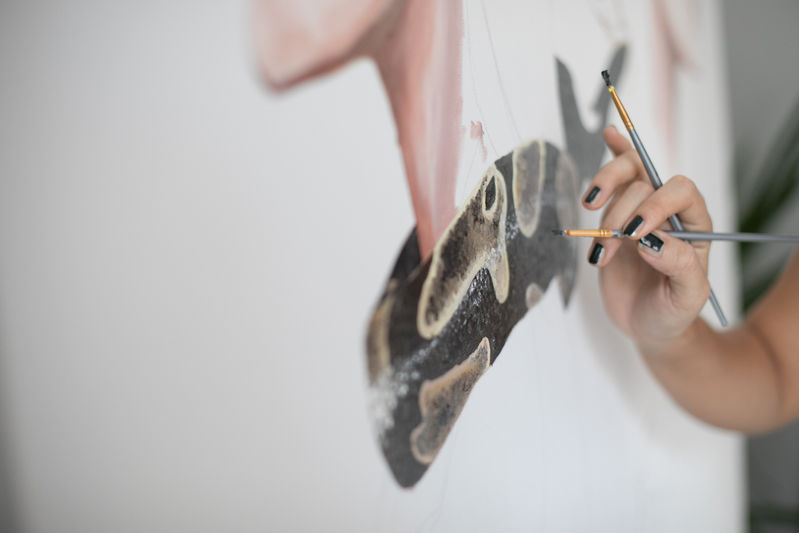
Studio photographs credited to Ana Hinojosa in the original site.
02 / The artist
The surviving biography describes a Mexican-born artist, illustrator, and designer whose practice moved from an early interest in fashion toward drawing and painting. The original site uses both Olga Galindo and Olga Saldivar. Its account connects Monterrey, Austin, and Houston through different stages of that creative life.
Across the archive, traditional drawing and painting meet whimsical elements. A carefully observed face may share a composition with an imagined animal presence; a delicate line may sit beside a more assertive field of color. Rather than resolving those differences, the work often lets them remain in conversation.
This presentation preserves the historical record while making room for new ways of approaching the images. The biography is an account from the earlier site, not a claim about the artist’s current location or availability.
Read the archived biography ↗03 / Recurring worlds
Flowers, animals, portraits, and changing states of mind recur across the collection statements. Their repetition does not make them a fixed code. A flower can direct attention toward a face in one work and become the principal event in another. An animal can feel companionable, distant, protective, or deliberately ambiguous.
The original collection notes help locate these interests in particular periods. They describe experiments with oil, graphite, acrylic, ink, watercolor, and added materials. Read them alongside the images rather than treating any one statement as a complete explanation of the practice. A series can begin with a clear idea and still contain surprises that become apparent only through looking.
04 / Beyond the canvas
A portfolio records individual works. An exhibition places them in relation to a room, an audience, and one another. The historical exhibition list and opening photographs offer a different view of this practice, tracing presentations in Houston, Austin, Monterrey, and other places recorded in the source material.
Explore those records as past events. Dates and captions remain attached to their original context, including the places where the surviving records are incomplete or disagree.
Explore the exhibition archive ↗05 / The art journal
New editorial writing about the experience and practice of art. These guides offer clear starting points for looking at portraits, understanding composition, developing a body of work, and presenting it thoughtfully. They are written for curious visitors as well as people who draw, paint, collect, or organize exhibitions. The writing accompanies the archive without claiming to speak on the artist’s behalf.
Looking at art · 6 min read
A practical guide to expression, gesture, framing, and the small decisions that give a painted figure its presence.
Read the guide ↗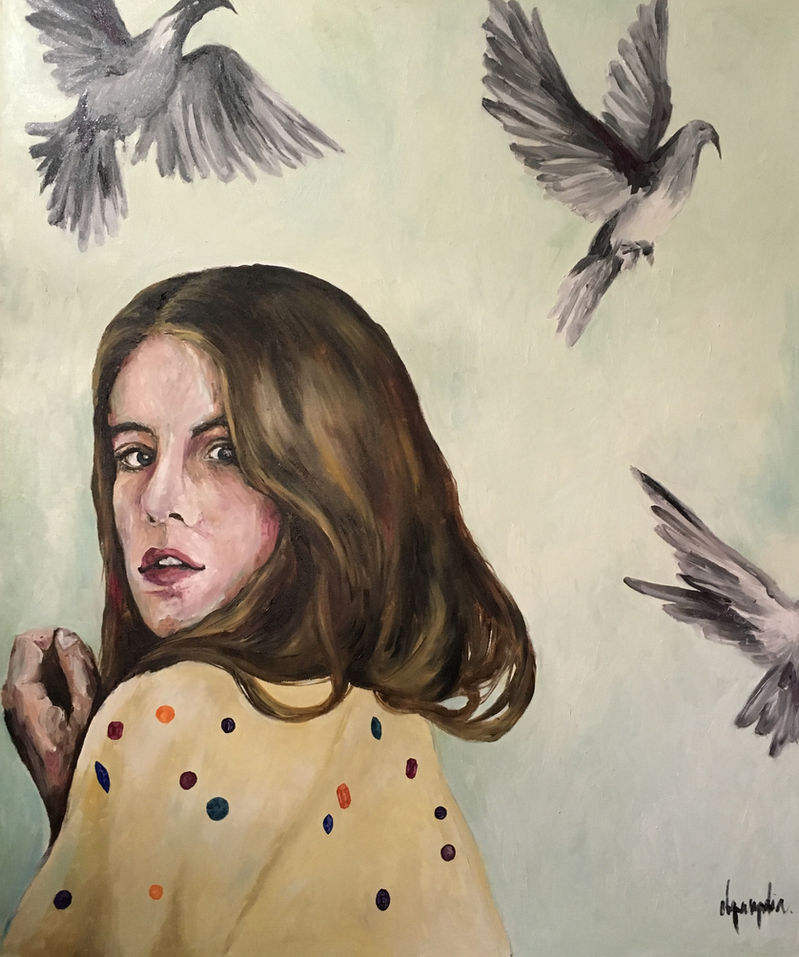
Painting · 6 min read
Explore how relationships between hues, values, and surrounding space shape an image without reducing color to a fixed emotional code.
Read the guide ↗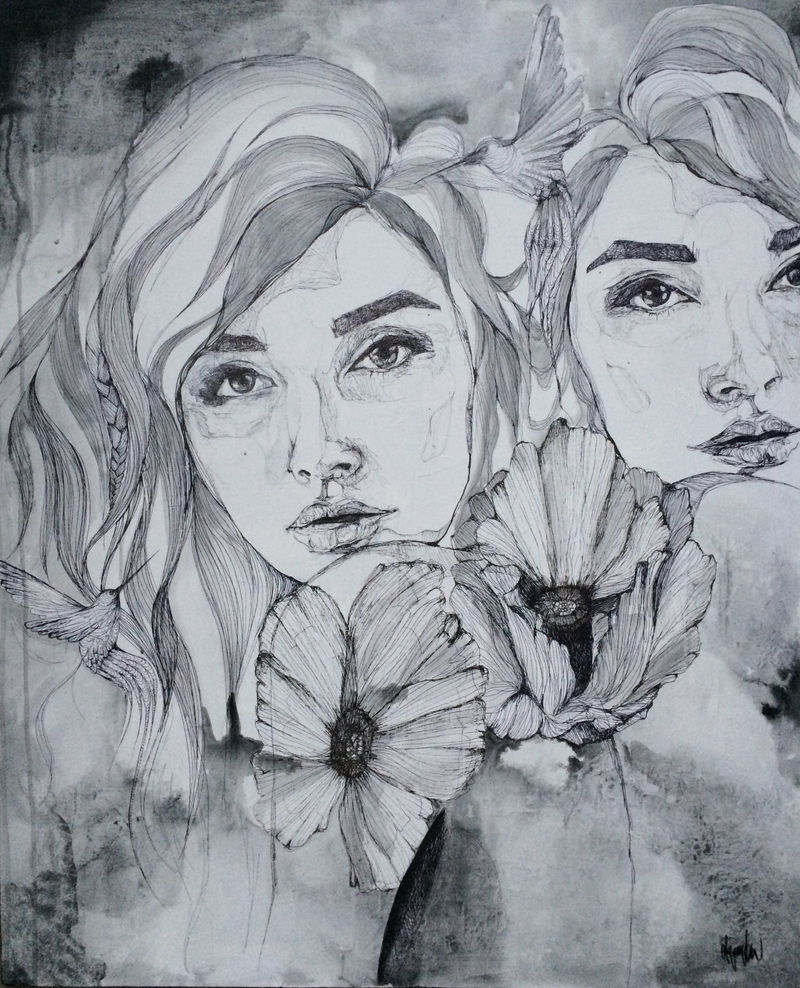
Visual language · 6 min read
A way to read natural motifs through their placement, scale, and documented context rather than a universal dictionary of symbols.
Read the guide ↗06 / Ways into the work
Choose a small part of an image before trying to explain the whole. Follow an outline through a face, a garment, or a surrounding shape. Notice where it becomes firm, disappears, or changes direction. Those differences can tell you how attention moves through the composition. They also make room for a response that begins with observation rather than a search for the correct interpretation.
Return to the full image after that close look. The detail may feel less isolated now, connected to an echo elsewhere in the work or to a larger rhythm that was difficult to see at first.
Place two images beside one another and ask what changes. A similar subject can feel very different when its scale, surrounding space, or color relationships shift. Comparison becomes more useful when it describes those differences instead of deciding immediately which image is better. The portfolio contains several periods and approaches, so a change in mood may be part of the practice rather than an inconsistency to explain away.
Use the captions as factual support where information survives. When a title, date, or material is not recorded, leave that question open and keep your interpretation distinct from the archive’s evidence.
A screen offers access, but it is only one encounter with a work. A photographed surface can suggest texture, layering, and gesture without reproducing the experience of standing in front of the object. Read the recorded medium and consider how its possibilities relate to what you see. Do not assume that an apparent digital color or scale is a precise account of the original.
The enlarged images help you inspect details, while the studio and exhibition photographs add context. Together they offer different kinds of information rather than competing versions of a single definitive view.
07 / An open archive
Continue through the press clippings, historical collaborations, and studio photographs to see how the portfolio connects with a broader creative life. These pages preserve what the source material supports. They do not invent missing awards, current services, or new exhibition dates to fill a gap.
The site directory brings the original art sections together, while a separate legacy directory keeps older, unrelated catalog addresses accessible. The emphasis here remains on art: its making, its presentation, and the patient attention it rewards.
Browse the archive directory ↗